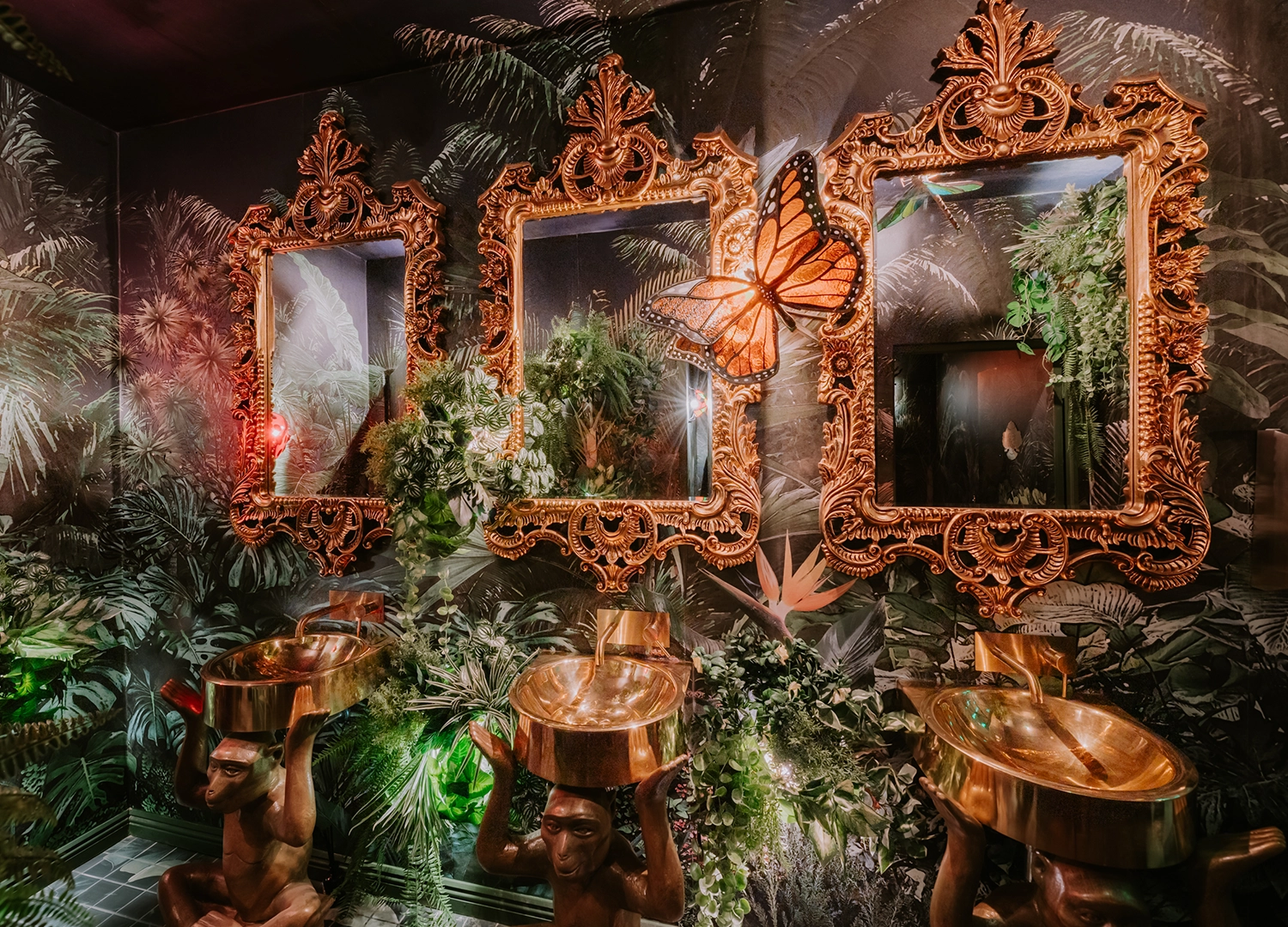
Lighting is one of the most powerful tools in interior design, but it is often overlooked. The right lighting does more than just brighten a room; it shapes our experience of the space. It highlights craftsmanship, enhances textures, guides movement, and establishes the emotional tone. At KT-Interior, we view lighting as a sensory element that energises, calms, or dramatises a space based on its placement and purpose.
Here’s a 5-step guide to help you create beautiful and effortless lighting in a space.
1. Start With the “True Need” of the Space
Before choosing light fixtures, think about how you want the space to feel and function. Do you want it to energise, relax, or impress?
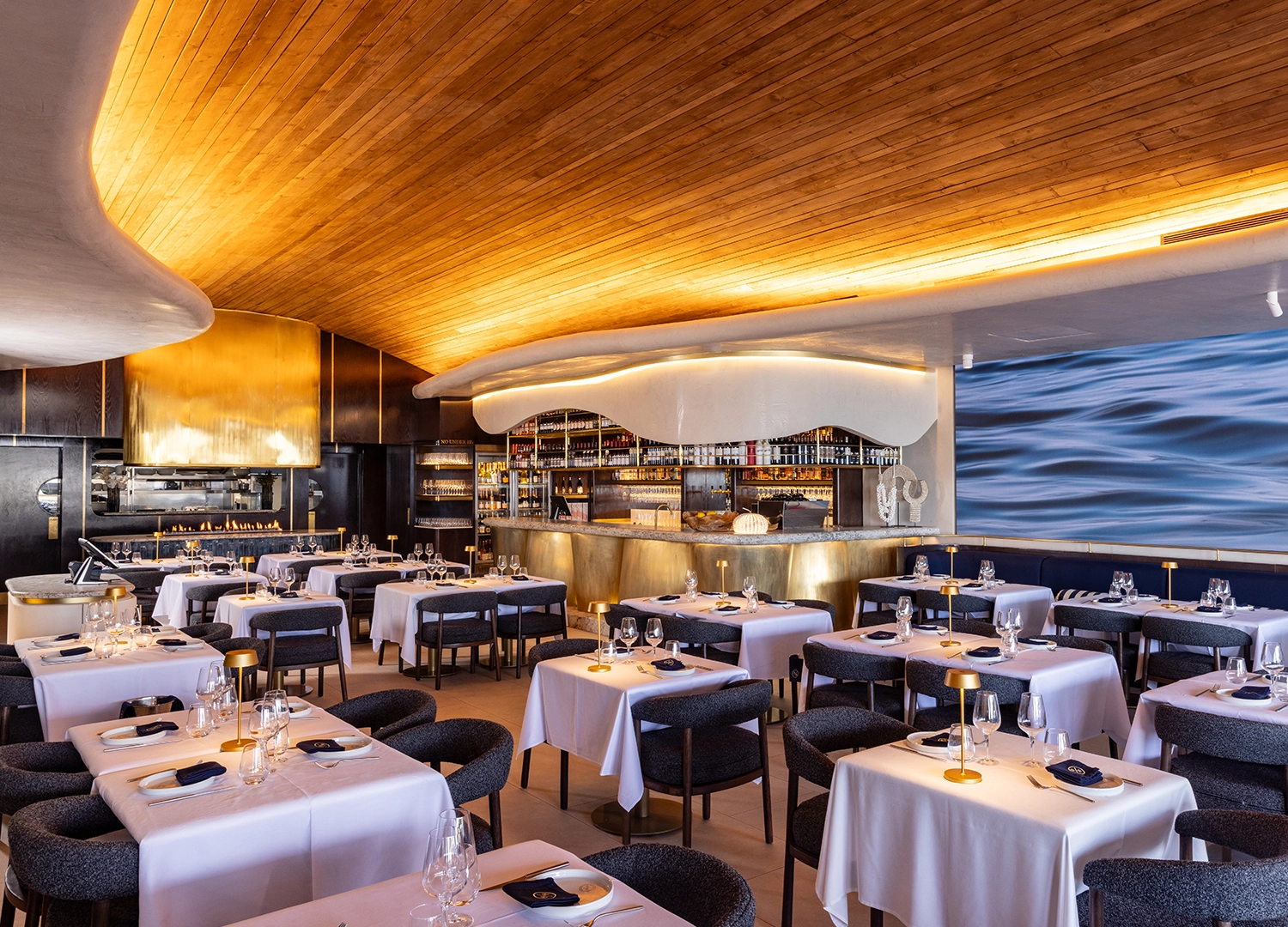
Every room has a main purpose, and recognising this early on will help guide your lighting choices. For instance, a boardroom may require a balance between functionality and calm focus, while a living room might need warmth and softness. In a restaurant, creating drama can enhance the food and overall experience.
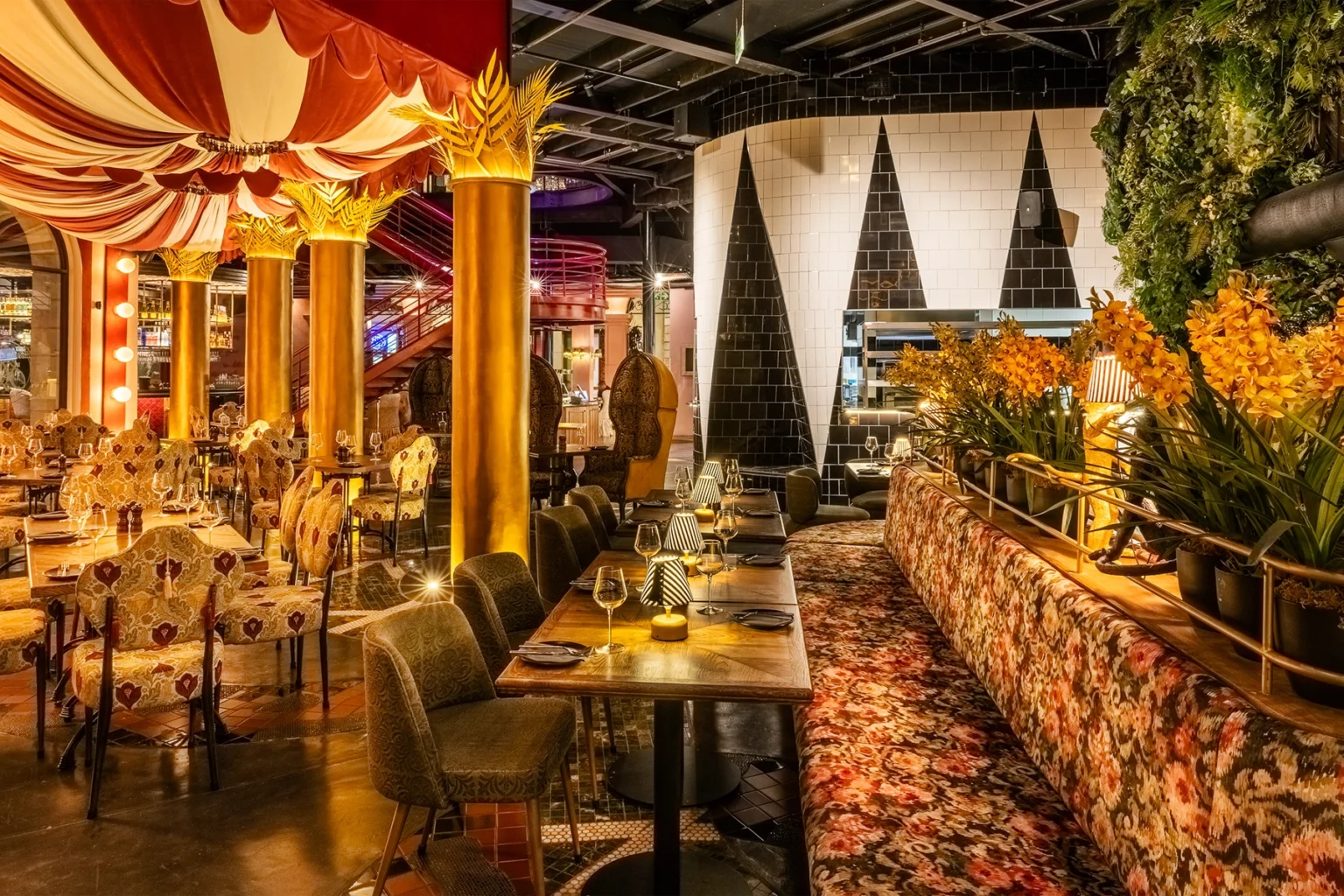
2. Ambient Lighting
Consider ambient lighting as the foundational layer of illumination in a space. It provides a soft, even glow that reduces harsh shadows and enhances the feeling of openness. This type of lighting includes ceiling fixtures, concealed lighting, or architectural lights that fit into the design rather than standing out as mere decorations. The essential aspect of ambient lighting is its subtlety; it should enhance the room’s atmosphere without dominating the scene.
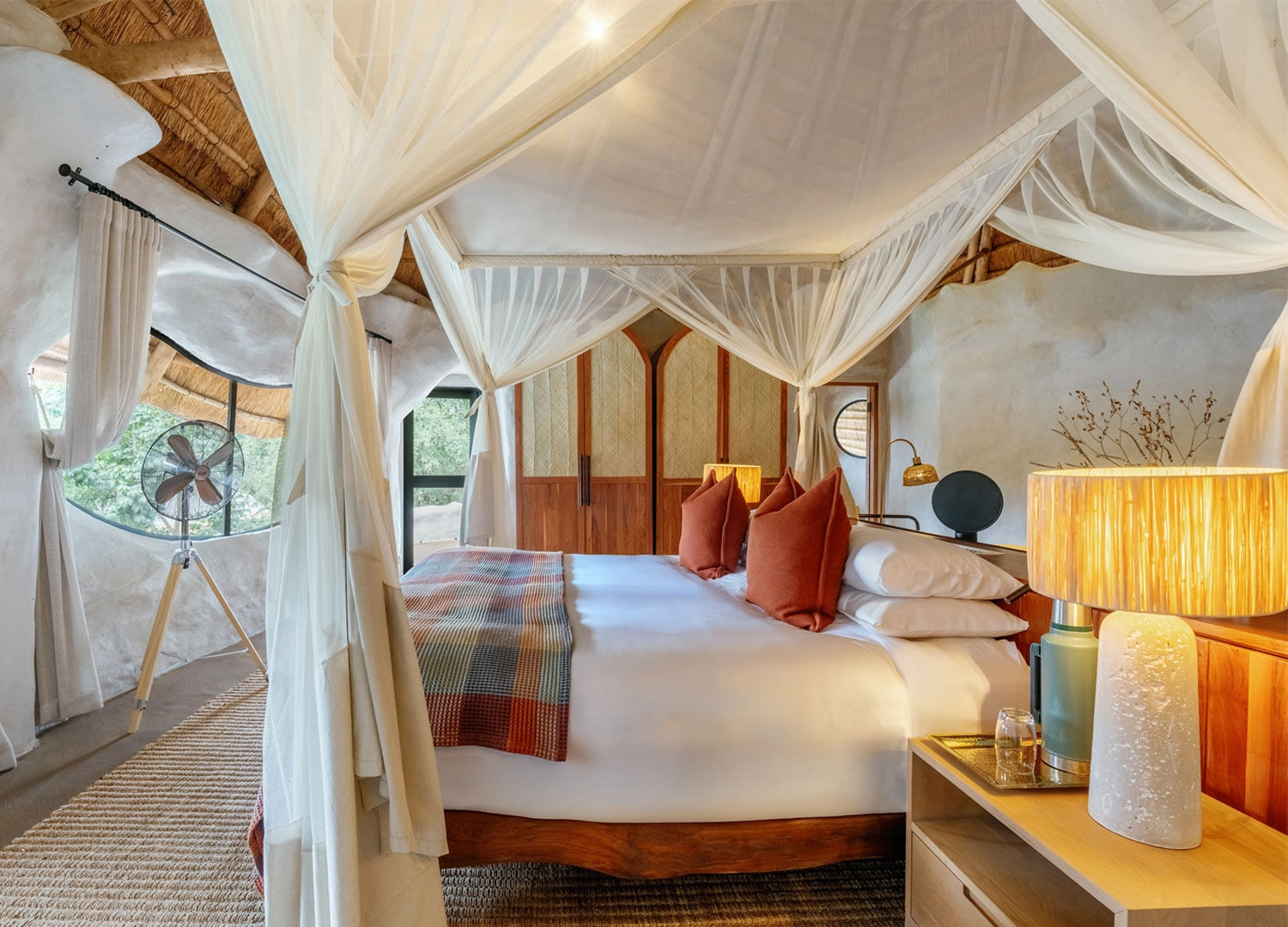
3. Add Functional Light With Intention
Every space has areas that need task-focused lighting, but it shouldn’t feel clinical. Consider using soft, directed light, such as warm lighting over kitchen counters, reading lamps that highlight cosy textures, or desk lighting that integrates with the furniture. The goal of lighting should be to enhance the experience, making it easier and more intuitive, rather than being brighter without purpose.
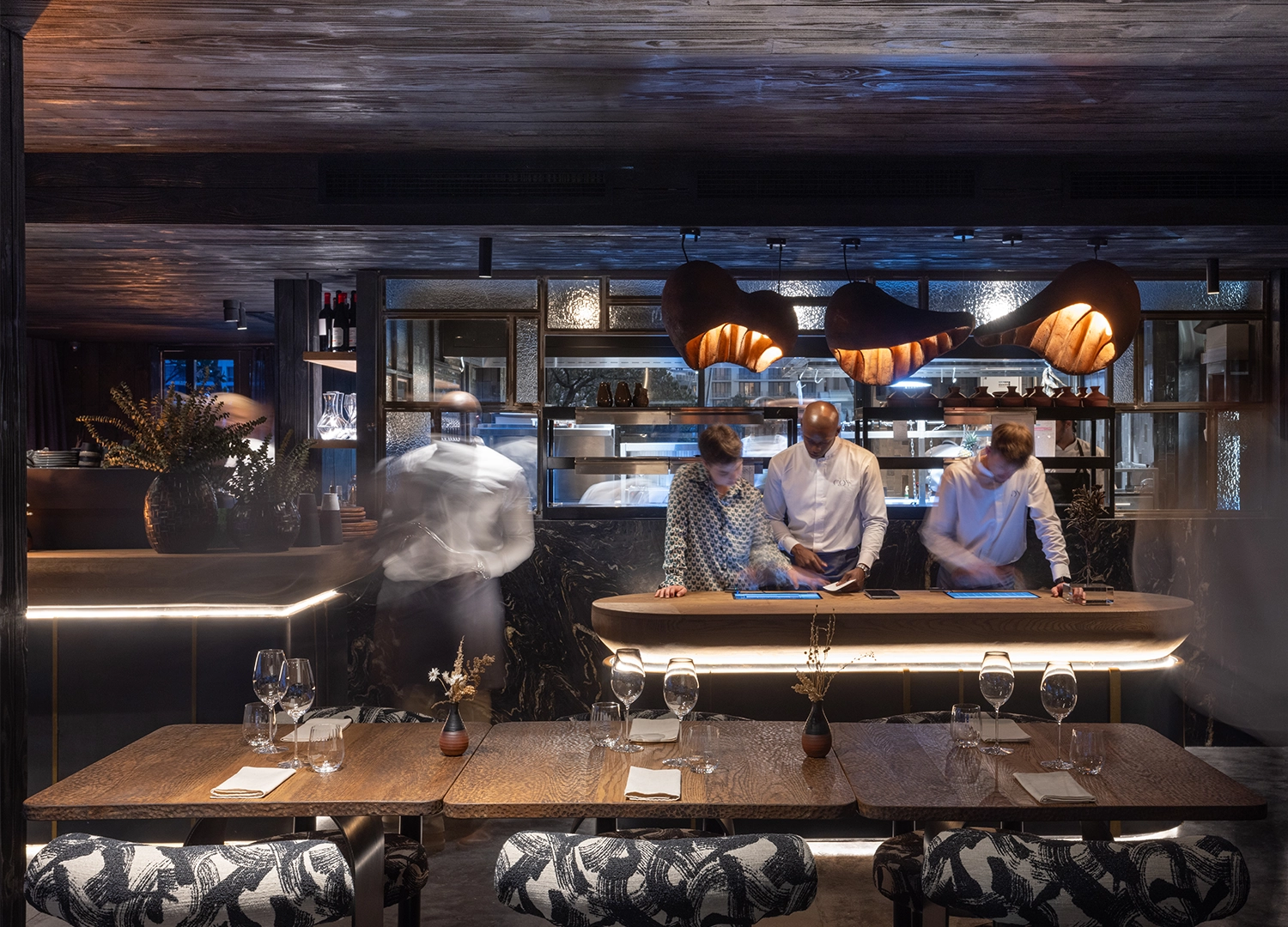
4. Accent Lighting
This style of lighting allows you to highlight craftsmanship, materials, and architectural details. A textured wall, bespoke joinery, or a sculptural staircase all become more vibrant when illuminated. This type of lighting adds depth and visual interest, giving the space a unique personality.
5. Use Decorative Fixtures as the Final Layer
When considering the aesthetic composition of a space, it’s important to include lighting as a key element. Fixtures such as pendants, chandeliers, table lamps, and sculptural designs contribute character and personality to the environment. Either subtle or bold, lighting should enhance the overall design language of a space. Think of it as the jewellery of the interior, the layer that brings everything together.